Ooni Karu vs Koda: Which Pizza Oven Should You Buy?

Cooking for thirty years, since I was the thirteen-year-old making dinner for my two brothers while Mum worked late. A brisket from a family friend called Bubba in East Texas turned me toward live fire for good. Still chasing that smoke on a kamado most weekends.
Just so you know, some links on this page are affiliate links. If you buy something via them, we get a small kickback. You don't pay more, but it helps toward the coals.
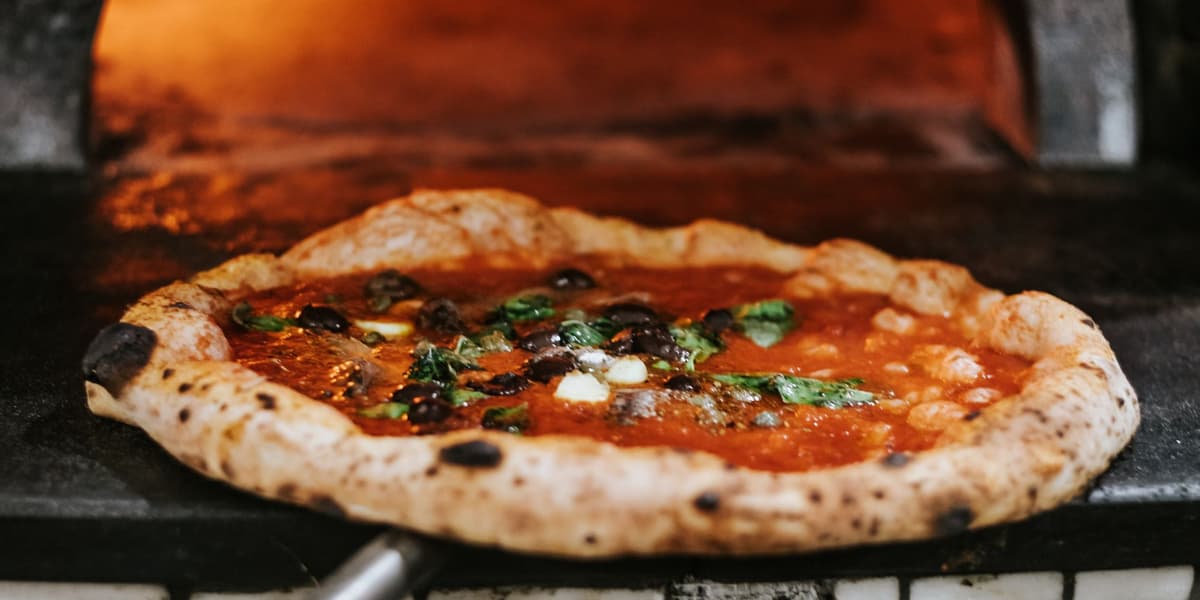
A wood-fired Neapolitan in 90 seconds. That leopard-spotted crust, the char on the bottom, that faint smoke note in the dough that a gas oven cannot produce, the Ooni Karu 16 on hardwood makes that happen. The Ooni Koda 12 makes a pizza that is genuinely excellent, from a cold start, in 15 minutes, without managing a fire at all.
Both reach 950°F. Both make real pizza. The difference is in the process and what that process gives back. Here is who should buy which.
Quick Picks
Not sure which setup is right for you?
Take the 60-second quizThe One-Line Answer
Buy the Koda 12 if you want easy, fast pizza with no learning curve. Buy the Karu 16 if wood-fired flavor is the point and you are willing to learn fire management to get it.
The Full Comparison
| Ooni Koda 12 | Ooni Karu 16 | |
|---|---|---|
| Fuel | Gas only | Wood (+ optional gas) |
| Stone size | 13 in | 16 in |
| Preheat time | 15 min | 25-30 min (wood) |
| Max temperature | 950°F | 950°F |
| Glass door | No | Yes |
| Thermometer | No | Yes |
| Portability | Very portable | Less portable |
The Ooni Koda 12
The Koda 12's gas simplicity is real, turn the knob, wait 15 minutes, cook pizza. No fire management, no wood sourcing, no smoke. Consistent results from the first session. It is the reason many Ooni beginners start here.
The 13-inch stone limits pizza size in a way that matters more than the number suggests. A 12-inch pizza is fine for 1-2 people. For groups, you are running multiple rounds, which means some people are eating hot pizza and some are waiting. The Karu 16's 16-inch stone removes that friction when cooking for four or more.
The Koda 12 also has no glass door and no built-in thermometer. You learn to read the fire and estimate stone temperature by hand testing distance, not difficult, but less precise than the Karu 16's digital readout.
If you cook pizza for one or two people, if portability matters (the Koda 12 fits in a bag and goes to the beach or a camping trip), or if you just want to make good pizza without complexity, the Koda 12 is the right tool.
The Ooni Karu 16
The Karu 16 runs on hardwood, chunks or small splits. You build a fire, feed it to maintain temperature, and manage the heat manually. That engagement is both the reason some people choose it and the reason others choose the Koda.
The flavor difference from wood combustion is real. Properly wood-fired pizza has a complexity, a slight smoke character in the crust, a more intense char, an aroma, that gas does not produce. Cooks who have used both consistently describe the Karu 16 results as categorically better. Not marginally. Noticeably.
The 16-inch stone changes the experience for group cooking. Larger pizzas, easier rotation, more space to work. The glass door retains heat better between pizzas, which means the stone temperature does not drop as much when you open to launch. The built-in thermometer eliminates guesswork.
The optional gas burner for the Karu 16 is worth buying separately if you want weeknight flexibility. It costs around $100-130. With the gas attachment, the Karu 16 functions like a larger, better-insulated version of the Koda, and you can switch back to wood whenever you want the full experience.
The Wood Fire Learning Curve
Getting good results on the Karu 16 with wood takes a few sessions to dial in. Here is what matters most from the start:
Use kiln-dried hardwood. Oak and olive wood are the standard recommendations, they burn hot and clean without excessive smoke. Avoid softwoods and resinous woods. The Ooni-branded wood chunks are fine; you can also buy hardwood from any BBQ specialty store.
Build a small but hot fire. The goal is a fire that burns intensely, not one that smolders and produces white smoke. White smoke produces off-flavors. Clear or light blue smoke means the wood is burning properly.
Feed the fire regularly, every 1-2 minutes during a session. The Karu 16 consumes wood faster than you expect because it is running at very high temperatures. Have your wood ready before you launch the first pizza.
Is the Price Difference Worth It?
The Karu 16 costs roughly twice the Koda 12. The stone size, the wood fire capability, the glass door, and the thermometer all contribute to that premium.
If wood-fired pizza is specifically what you want, the Karu 16 is the cheaper path to it compared to a full outdoor wood-fired oven. If gas pizza is perfectly acceptable and portability or budget are priorities, the Koda 12 delivers excellent results at a better price.
The honest read: if you have never cooked on a wood-fired oven, start with the Koda 12. Make good pizza on it for a year. If you find yourself wanting more, more stone space, more smoke character, more control, step up to the Karu. The Koda 12 holds its resale value well enough that the switch costs less than it might seem.
If wood fire is specifically what you want, skip the intermediate step and get the Karu 16 now. The gas attachment means it handles everything the Koda does, plus wood fire when you want it. It is the more flexible tool.
Dough: The Variable That Matters More Than the Oven
Both ovens reach 950°F. At that temperature, the quality of the pizza is determined more by the dough than by which oven you are cooking in. Bad dough in an Ooni Karu produces bad pizza. Good dough in an Ooni Koda produces excellent pizza.
Before worrying about which oven to upgrade to, master a basic Neapolitan dough: - Tipo 00 flour (Caputo Pizzeria is the standard) - 62-65% hydration (grams of water per 100g flour) - 0.1-0.2% dry yeast - 2-3% salt - Cold ferment in the fridge for 24-72 hours
The cold ferment develops the flavor and structure that makes properly Neapolitan pizza distinct. The dough should be soft, elastic, and slightly tacky when it comes out of the fridge. Let it warm to room temperature for 2-3 hours before balling and using.
Stone Temperature is the Critical Variable
Both the Koda 12 and the Karu 16 reach 950°F air temperature, but the stone takes longer to heat than the air. Launching a pizza onto a cold or underheated stone produces pale, doughy base, the most common beginner mistake with both ovens.
With the Koda 12: preheat for at least 20-25 minutes even though the air temperature rises in 15. The last 5-10 minutes is the stone absorbing heat from the air.
With the Karu 16 on wood: preheat for 30-35 minutes minimum. The built-in thermometer reads air temperature; wait until the stone is visibly glowing slightly at the edges before launching.
A quick test: dust a small pinch of flour on the stone and watch how it colors. If it browns in under 5 seconds, the stone is ready.
Rotating Pizza in a High-Heat Oven
Both ovens have a flame at the back. This means the pizza cooks unevenly, the back cooks faster than the front, and one side cooks faster than the other. You need to rotate.
For the Koda 12: use a small metal turning peel or a long fork to rotate the pizza 90 degrees every 15-20 seconds once it starts cooking. The entire cook takes 60-90 seconds at proper stone temperature.
For the Karu 16: the glass door reduces heat loss between rotations, which helps. The turning process is the same, rotate every 15-20 seconds, aim for even leopard spotting (dark char dots on the crust from direct contact with the stone).
Ooni's own turning peel is the right tool for this. A flat, long-handled fork also works. The goal is to rotate without deflating the pizza or losing toppings.
Common First-Cook Mistakes
Launching too early. If the stone is cold, the base will be pale and undercooked while the top burns. Heat the stone properly first.
Too much flour on the peel. Flour prevents sticking during the launch but burns at oven temperatures and can produce acrid flavor. Use the minimum necessary, semolina flour on the peel base burns more cleanly than 00 flour if extra coverage is needed.
Too many toppings. A proper Neapolitan pizza has 2-3 toppings maximum. Heavy toppings weigh down the dough, prevent proper oven spring, and extend cook time in a way that produces uneven results. Less is more, especially in a first session.
Not trusting the launch. Hesitating during the launch causes the dough to fold over on itself. Commit to the motion, a confident, slightly downward thrust from the peel onto the stone.
What to Cook Beyond Pizza
Both ovens are marketed as pizza ovens but the cooking surface handles more than pizza. At high temperatures with the right technique, both the Koda 12 and Karu 16 produce excellent results on:
Vegetables. Sliced courgette, asparagus, cherry tomatoes in a cast iron pan, 5-8 minutes at the front of the oven where the temperature is 500-600°F rather than directly over the flame. The char is different from any other cooking method.
Bread. A small sourdough or focaccia loaf in a cast iron pan, placed at the front and rotated regularly. Baking bread in a pizza oven produces a crust that a home oven at 500°F cannot replicate.
Steak. A cast iron pan preheated in the oven for 5 minutes reaches temperatures that produce a steak sear comparable to a charcoal fire. The process is fast, steaks cook in 2-3 minutes per side at proper pan temperature. Keep a fire extinguisher accessible; the fat drips create intense smoke and occasional flame.
Fish. Fillets wrapped in parchment with olive oil, lemon, and herbs cook beautifully in 3-4 minutes. The parchment protects the fish from direct heat while the oven temperature produces perfectly cooked flesh with crisp edges where it contacts the stone.
Portability Comparison
If portability is a factor, the Koda 12 wins clearly. It folds down, fits in a bag, and weighs 20 lbs. It goes to beaches, camping trips, holiday cottages, and roof terraces with no compromise. The Karu 16 at 38 lbs with its chimney and door is transportable but not casually portable. It is better described as a portable outdoor oven than a take-anywhere tool.
For a permanent outdoor kitchen setup, the portability difference is irrelevant. But for anyone who wants to use their pizza oven in different locations, the Koda 12 is the practical choice.
Fuel Sourcing for the Karu 16
The Karu 16 uses hardwood chunks or small splits, not charcoal, not briquettes. Oak, cherry, olive, and birch all work well. The Ooni-branded wood chunks are available on Amazon and burn consistently. Good hardwood from any BBQ supply store also works.
Expect to burn through 1-2 kg of wood per hour-long pizza session depending on ambient temperature and how many pizzas you cook. Source a supply before your first session, running out of wood mid-session is a frustrating beginner mistake.
The Final Verdict
The Ooni Koda 12 is the easier oven. The Ooni Karu 16 makes better pizza. Both are genuinely excellent tools. The choice comes down to what you value: simplicity and portability, or wood-fire flavor and larger cooking surface. If you are unsure, start with the Koda 12. If you already know you want wood fire, skip the intermediate step and get the Karu 16.
The Koda 12 that gets used twice a week will make you a better pizza cook than the Karu 16 that sits on the patio. But if wood fire is what you are after, the ritual of building the fire, the complexity it adds to the crust, the results that gas cannot quite replicate, get the Karu 16 and buy the gas attachment alongside it for weeknights.
The first properly wood-fired Neapolitan you pull out of that oven, charred at the edges and blistered across the top, you will know exactly why people who go down this road never really come back from it. Fire up the oven. Get the stone to temperature. Launch the first one.
Ooni Oven Comparison
| Ooni Koda 12 | Ooni Koda 16 | Ooni Karu 16 | Ooni Karu 12 | |
|---|---|---|---|---|
| Fuel | Gas only | Gas only | Wood / charcoal / gas | Wood / charcoal / gas |
| Stone size | 13" | ~16.5" | ~17" | 13" |
| Max temp | 950°F | 950°F | 950°F | 950°F |
| Best for | Entry gas oven | Gas with large capacity | Multi-fuel flexibility | Compact multi-fuel |
What You'll Need With It
Three accessories separate a good first cook from a great one.
An infrared thermometer tells you when the stone is actually at temperature — the most common mistake with pizza ovens is launching before the stone is hot enough. A surface reading above 750°F is where you want to be for Neapolitan-style pizza.
A perforated peel is easier to use than a solid peel for launching — less dough sticking, less tearing. The 14-inch works with all standard Ooni models.
A steel bakes faster and with a better bottom crust than a ceramic stone. Once you've cooked on a steel, going back to ceramic feels like a step backward.
What to Avoid
Avoid the Karu 16 if gas is your primary fuel. The gas burner adapter is a separate $100+ purchase, adds complexity, and the Koda 16 does gas better as a purpose-built unit for less total spend. Buy the Koda if you are only going to use gas.
Avoid the Koda 12 if you regularly make 14-inch or larger pizzas. The 13-inch internal stone maxes out at a 12-inch pizza with any comfort margin. If family-sized pizzas or entertaining is the plan, the Koda 16 is worth the extra cost.
Avoid both ovens if you are not prepared to manage dough temperature. Both ovens run hot enough to burn an under-fermented dough before the top bubbles. Proper dough temperature management is the skill that determines results, not which oven you chose. Budget time to learn the dough before you evaluate the oven.
What to Avoid
Do not buy the Karu thinking you will only use wood. Most Karu owners use the gas attachment 80 percent of the time and switch to wood for special occasions. If you know you will only use gas, save the money and get the Koda. The gas performance is identical.
Do not choose the Koda 16 over the Karu 16 just because it is cheaper. The $100 difference buys you the option of wood-fired cooking whenever you want it. Options have value even if you do not use them immediately.
What I'd Buy Today
The Karu 16 with gas attachment. Start every session with gas. Learn your dough, refine your technique, build consistency. When you are ready for the next challenge, switch to wood and discover a whole new dimension of pizza flavor. The multi-fuel flexibility means you never outgrow this oven.
If you're deciding between the Karu 16 and Gozney's flagship, the Ooni Karu 16 vs Gozney Dome comparison covers exactly where the $250 price gap and the portability difference matters.
As an Amazon Associate, we earn from qualifying purchases.
Products Mentioned in This Guide
Ooni Karu 16 Multi-Fuel
Ooni
The Ooni serious pizza people keep coming back to. Multi-fuel — run it on wood for authentic leopard...
Check Price on AmazonOoni Koda 12
Ooni
The pizza oven I tell everyone to start with. Gas powered, reaches 950°F in 15 minutes, cooks a 12-i...
Check Price on AmazonOoni Digital Infrared Thermometer
Ooni
Measures stone temperature instantly with a laser-guided sensor. Essential for knowing when the Ooni...
Check Price on AmazonOoni 14" Perforated Pizza Peel
Ooni
Lightweight aluminium peel with perforations that let excess flour fall through during launch. Hard ...
Check Price on AmazonNerdChef Steel Stone Standard 1/4 Inch Thick
NerdChef
14.5x16-inch steel baking stone, 1/4-inch thick. Steel conducts heat 20x faster than ceramic, produc...
Check Price on AmazonStill weighing it up? Get a personalised pick in about 60 seconds.
Take the gear quizFrequently Asked Questions
Should I buy the Ooni Karu or Koda?
Buy the Koda 12 if you want simple, fast pizza without a learning curve. Buy the Karu 16 if you want to cook on wood and get the full leopard-spotted Neapolitan experience — and are willing to manage a real fire to get there. The Koda 16 splits the difference if you want gas but need the larger cooking surface.
Can you use wood in an Ooni Koda?
No. The Koda is gas-only. If you want to cook on wood or charcoal, you need the Karu. The Karu 12 takes wood and charcoal out of the box; the Karu 16 takes wood out of the box with an optional gas burner attachment sold separately.
What is the difference between Ooni Karu 12 and Karu 16?
The Karu 16 has a larger 16-inch cooking stone versus the Karu 12's 13-inch stone — a meaningful difference when cooking for groups. The Karu 16 also has a front glass door for heat retention and viewing, a built-in thermometer, and better insulation. The Karu 12 is more portable and less expensive at around $400.
Is the Ooni Karu 16 worth the extra money?
If you cook for more than two or three people, yes. The 16-inch stone lets you cook larger pizzas and rotate them more easily. The glass door helps with heat retention, which matters for consistent results across multiple pizzas in a session. If budget allows, the Karu 16 is the one to get — it delivers results the Koda cannot match.
How long does the Ooni Karu take to heat up?
Using wood: 20-30 minutes to reach 850°F+, depending on how well you build and manage the fire. Using the optional gas burner: 15-20 minutes. The Koda 12 reaches full temperature in 15 minutes on gas. If speed matters, gas wins — but the wood preheating ritual is part of the experience.
Ooni Karu 12 vs Koda 12: which entry Ooni is right for me?
Pick the Koda 12 if you want fast, simple gas pizza with no fire to manage -- it reaches full temperature in about 15 minutes and has no learning curve. Pick the Karu 12 (around $400) if you want to cook over real wood or charcoal and do not mind managing a live fire for that leopard-spotted, wood-fired character. Both share the compact 12-inch footprint; the real difference is fuel and ritual.
Related Guides
Also worth picking up
Accessories that make a real difference
Some products in this section are part of Amazon Creator Connections campaigns. We only include products we'd recommend regardless.
LEVIASHER Cast Iron Grill Press 2-Pack
Two heavy-duty 7" cast iron grill presses (2.3lb each) with wood handles. Perfect for smash burgers, paninis, bacon, and getting a proper sear on steaks. Striped base leaves clean grill marks.
Check Price on AmazonIAN's Smash Burger Press Kit
Everything you need for perfect smash burgers: 6.5" flat cast iron press, stainless steel spatula, patty papers, and a seasoning shaker — all in a matte black gift box. Designed in the USA.
Check Price on Amazon