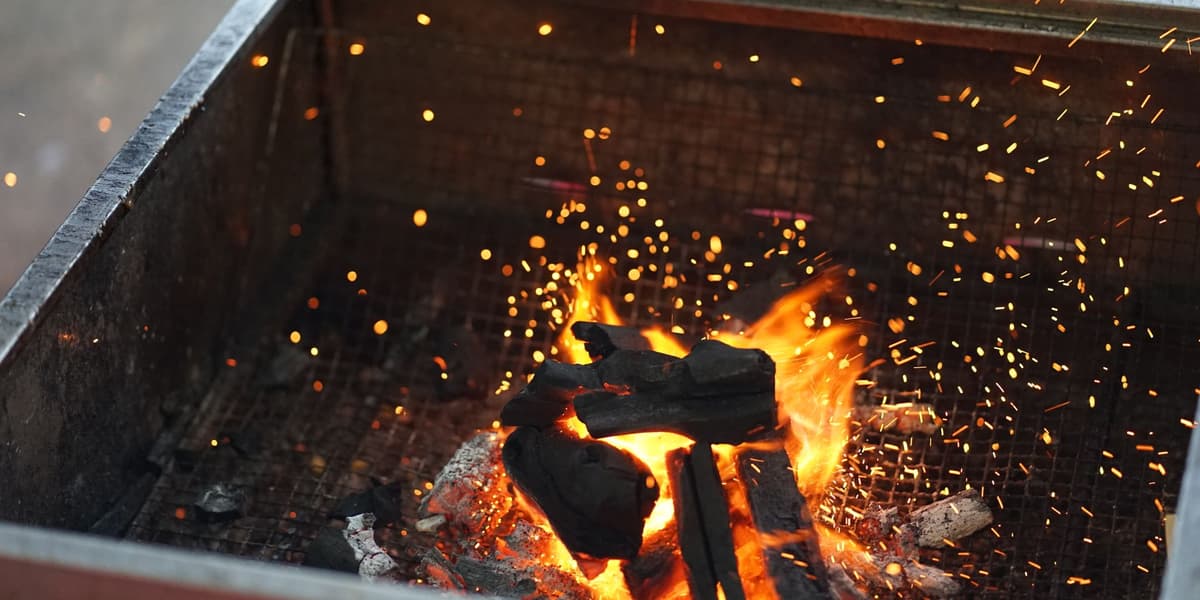
Best Wood Chips for Smoking

Cooking for thirty years, since I was the thirteen-year-old making dinner for my two brothers while Mum worked late. A brisket from a family friend called Bubba in East Texas turned me toward live fire for good. Still chasing that smoke on a kamado most weekends.
Just so you know, some links on this page are affiliate links. If you buy something through one, I earn a small commission at no extra cost to you. It never changes what I recommend, but it does help toward the coals.
Wood chips add smoke flavor to gas grills, charcoal grills, and electric smokers. They are not the primary fuel source, that is the gas, charcoal, or electric element, but they are the flavor source. Without chips, a gas grill produces no smoke flavor at all. With the right chips, it produces enough to distinguish a grilled chicken thigh from a smoked one.
The mechanics are simple. Chips placed on hot coals or in a smoker box on a gas burner ignite and smolder. The smoke produced during that smolder penetrates the surface of the meat, depositing flavor compounds called guaiacol and syringol. These are the chemicals responsible for smoke flavor. Different wood species produce different ratios of these compounds, which is why hickory, cherry, and apple taste distinct even though they are all wood smoke.
Quick Picks
Not sure which setup is right for you?
Take the 60-second quizQuick Picks
| Situation | Wood Chip |
|---|---|
| Gas grill, all-purpose | Weber Hickory |
| Poultry and fish | Western Cherry |
| Offset smoker, long burns | Oklahoma Joe's Hickory |
| Experimenting with flavors | Camerons 6-Pack Variety |
| Beef with something different | Jack Daniel's Whiskey Barrel |
Wood Flavor Guide
The spectrum runs from mild to bold. At the mild end: apple, cherry, peach, and other fruit woods. At the bold end: hickory, mesquite, and walnut. In between: oak, pecan, and maple.
Mild woods work with anything and are hard to over-smoke. Cherry is the most versatile mild wood because it also adds color, a mahogany surface color on chicken or pork that would otherwise look pale.
Hickory is the most popular American smoking wood. It is used in commercial BBQ operations throughout the South because it pairs well with pork and beef and produces a recognizable barbecue smoke flavor. The risk with hickory is over-smoking. Too many chips, too long, and the food tastes bitter. A handful in a smoker box for 30-45 minutes is enough for a rack of ribs on a gas grill.
Mesquite burns hotter than other woods and produces a stronger, more pungent smoke. It is the right choice for grilling at high heat when you want a quick burst of smoke on steak or beef brisket. It is the wrong choice for slow cooks, the smoke compounds become bitter over extended exposure. Texans use mesquite because they cook hot and fast. For low-and-slow cooks, use hickory or oak.
Apple is the beginner-friendly wood. It produces light, sweet smoke that is almost impossible to over-apply. Pull pork shoulder, chicken, and salmon all respond well to apple. It takes longer to produce visible smoke than hickory, which sometimes leads people to add too many chips while waiting. Start small and be patient.
Weber Hickory: The Standard
Weber's hickory chips are kiln-dried, consistent in size, and packaged in a resealable bag. The chip size, roughly thumbnail-sized, is optimized for gas grill smoker boxes. They produce visible smoke within 5-8 minutes on a hot burner and maintain smoke output for 25-35 minutes.
For a gas grill without a dedicated smoker box, wrap a handful of chips in heavy-duty aluminum foil. Fold it into a packet and poke holes in the top. Place it directly on the burner or heat deflector. Preheat until smoke appears, then add food.
Weber chips are available at every hardware and kitchen store, which makes them the default recommendation for anyone who does not want to order online or drive to a specialty store.
Western Premium Cherry: Best for Poultry
Cherry wood produces mild, sweet smoke with a fruity undertone. Western packages theirs in resealable bags with chips sized for both smoker boxes and charcoal use. Cherry is the most forgiving smoking wood: it takes longer to over-smoke food than hickory, which gives you more room for error.
For whole chickens, spatchcocked or upright, cherry wood produces a dark mahogany skin color in addition to smoke flavor. The color alone looks impressive even before you taste it. For salmon and lighter fish, cherry is the only common smoking wood that enhances rather than overwhelms the natural flavor.
Western chips are inexpensive and widely available, which makes them an easy addition to any cook where the protein would benefit from mild smoke.
Oklahoma Joe's Hickory: For Offset Smokers
Oklahoma Joe's cuts their chips larger than most brands. The bigger pieces burn more slowly, which matters in an offset smoker where the chips are loaded into the firebox rather than a small smoker box. Smaller chips would turn to ash before contributing meaningful smoke to a long cook.
In a charcoal kettle grill, larger chips are placed directly on the coals. They smolder rather than immediately igniting, which produces a longer smoke output per chip. For a two-zone setup with a lid on, a few Oklahoma Joe's chips on the direct heat side provide 30-45 minutes of smoke before burning out.
For gas grills, these chips can be slow to produce smoke because they take longer to reach ignition temperature. Stick to Weber or smaller chips for gas grill smoker boxes.
Camerons 6-Pack Variety: The Tasting Kit
Six bags in one box: apple, bourbon oak, cherry, hickory, mesquite, and pecan. Each bag is roughly 2 pounds of kiln-dried chips. This is the right purchase if you are new to smoking and want to understand what different wood flavors actually taste like.
The practical approach: smoke the same cut of meat with different wood flavors over several sessions. A chicken thigh takes 45 minutes at 350 degrees. Cook six batches with six different woods and you will know exactly which flavors you prefer on poultry. Repeat with pork ribs. After two or three experiments per protein, you will have a clear preference and you can buy the specific wood in larger quantities.
The bourbon oak in the Camerons pack is not as distinctive as the Jack Daniel's whiskey barrel chips, but it adds a subtly sweet character to the standard oak smoke profile.
Jack Daniel's Whiskey Barrel: The Novelty That Delivers
Jack Daniel's makes these chips from spent whiskey barrels, the charred white oak barrels used to age Tennessee whiskey. The wood has absorbed whiskey and char compounds over years of use. When burned, it releases smoke with a distinctive sweet, slightly boozy character that is unlike any standard smoking wood.
This is a specialty product and works best on beef and pork where the strong flavor is an asset rather than a distraction. A rack of beef back ribs smoked with whiskey barrel chips tastes noticeably different from the same ribs smoked with plain hickory. The difference is not always preferable, some people find the flavor too assertive, but it is real and worth trying once.
For gift purposes, the Jack Daniel's branding makes these chips a frequent choice. The performance backs up the novelty.
To Soak or Not to Soak
Do not soak wood chips. This is one of the most persistent cooking myths in backyard grilling. The reasoning behind soaking sounds logical: wet chips should smolder longer. In practice, wet chips spend their first several minutes steaming before they can produce any smoke. The steam does not add flavor. You get delayed smoke onset and the same total smoke output as dry chips.
Every major food science resource that has tested soaking, including Serious Eats and America's Test Kitchen, has reached the same conclusion: soaking makes no meaningful difference to smoke output duration and delays smoke production. Use dry chips.
How Often to Add Chips
A single load of chips produces smoke for 20-45 minutes depending on chip size and heat level. For a long cook, you need to reload chips periodically, but only for the first few hours. After three to four hours, the surface of the meat is set, the bark has formed, the proteins have coagulated, and the surface is no longer as receptive to smoke penetration. Additional smoke after this point produces little additional flavor benefit and can tip toward bitterness.
For a 6-hour pork shoulder, load chips at the start and again at the 1.5 and 3-hour marks. After that, let the cook finish without additional smoke. You will end up with a well-smoked piece of meat without the bitter overtone that comes from continuous smoke exposure.
Related Guides
- Best Charcoal, charcoal to pair with wood chips on kettle grills - Best Wood Pellets for Smoking, the fuel for pellet grills - How to Smoke Brisket, putting the chips and charcoal to use
Wood Flavor Pairing Table
| Wood | Flavor Profile | Best With | Avoid With |
|---|---|---|---|
| Apple | Mild, sweet, fruity | Poultry, pork, fish, vegetables | Nothing, works with everything |
| Cherry | Mild, sweet, adds color | Poultry, pork, duck, lamb | Very delicate fish |
| Pecan | Mild-medium, nutty | Poultry, pork, beef | Nothing notable |
| Maple | Mild, sweet | Poultry, pork, vegetables | Nothing notable |
| Oak | Medium, earthy | Beef, pork, lamb | Delicate fish |
| Hickory | Bold, savory | Beef, pork ribs, whole hog | Fish, vegetables |
| Mesquite | Bold, pungent | Beef (high heat, short cooks) | Long low-and-slow cooks |
| Walnut | Very bold, slightly bitter | Beef, game | Poultry, fish, pork |
The table is a starting point. Personal preference overrides all of it.
Best Wood Chips for a Smoker Box (Gas Grill Setup)
For a gas grill smoker box, smaller, thumbnail-sized chips work best because they ignite and smolder quickly in the small enclosed space. Weber hickory and Western cherry are the two I reach for most: hickory for pork and beef, cherry for poultry and anything you want to keep forgiving. Skip the larger offset-cut chips here, they are slow to light in a box. Gas grills are not designed for smoking, but they can produce meaningful smoke flavor with chips and the right setup. The limitation is temperature: most gas grills cannot maintain 225 degrees consistently because the burners cycle on and off. When the burner cycles off, the chips stop producing smoke. When it cycles back on, the surge of heat can ignite the chips rather than smolder them.
The workaround is to use the lowest burner setting possible on one side of the grill, leave the other side off, and place the food on the unlit side with the lid closed. Place a foil packet of chips over the lit burner. The goal is to maintain 225-250 degrees in the indirect zone, which may require experimenting with your burner settings.
Smoker boxes are more effective than foil packets because the metal box absorbs heat evenly and releases it to the chips gradually. Weber and other manufacturers make universal smoker boxes that fit between the grates and the heat deflectors. Fill the box with chips, place it over a burner, and preheat until smoke appears before adding food.
The flavor output from a gas grill will never match a dedicated smoker or charcoal grill with wood chunks. But for adding a smoke note to chicken thighs or a pork tenderloin, chips on a gas grill are a practical improvement over no smoke at all.
Using Wood Chunks vs. Chips
Chunks are fist-sized pieces of wood, roughly 3-4 inches across. They burn for 1-2 hours per piece rather than 20-45 minutes for chips. Chunks are the right choice for charcoal grills and offset smokers where you have the firebox space to accommodate them and you want sustained smoke without reloading.
The practical application: place 2-3 chunks directly on top of fully lit charcoal at the start of a cook. They ignite from the charcoal, smolder for an extended period, and produce a steady smoke output. In a kettle grill using the snake method, place chunks at intervals along the snake so they ignite progressively as the fire advances.
Chips burn faster, which is useful when you want smoke only during the first part of a cook or when the cooking vessel is small (gas grill smoker box, electric smoker chip tray). Reload chips every 30-45 minutes for the first 2-3 hours. After that, stop adding chips and let the cook finish.
Pellets are the third format, designed for pellet grills with auger systems. Pellets do not work in standard smoker boxes or on charcoal grills because they burn too fast and fine.
Building a Smoke Profile for Long Cooks
For a 12-hour brisket or 8-hour pork shoulder, smoke management is a deliberate process rather than a set-and-forget step.
The first 3-4 hours are the most critical for smoke absorption. The surface of the meat is moist and porous, and smoke compounds penetrate readily. Load chips or chunks at the start and reload once or twice during this window.
After 4 hours, the surface has developed a bark, the dehydrated, caramelized crust that forms during long cooks. Bark is much less permeable to smoke than raw meat. Smoke added after the bark sets produces diminishing returns in flavor and increases the risk of bitter over-smoke. Stop adding chips at the 3-4 hour mark regardless of how long the cook continues.
For the smoke ring, the pink layer visible in cross-section, the mechanism is nitrogen dioxide from the wood smoke reacting with myoglobin in the meat. This reaction happens within the first few hours of cooking and stops when the meat surface reaches around 140 degrees Fahrenheit. Smoke added after this point does not extend or darken the smoke ring.
Storing Open Bags of Wood Chips
Chips stored in an open bag in a garage or shed will absorb moisture during humid months. Unlike pellets, chips do not swell and fracture from moisture, they simply take longer to produce smoke and produce more steam before the chip surface dries enough to smolder.
Reseal open bags tightly after each use. A binder clip or chip clip works. For long-term storage, transfer chips to a gallon zip-lock bag. A bag of chips stored properly lasts several seasons without significant quality degradation.
Unusual Woods Worth Trying
Once you have used the standard woods (hickory, apple, cherry, oak), there are a few less common options worth exploring.
Peach wood produces smoke similar to apple but with a more floral, slightly more resinous character. It pairs particularly well with pork tenderloin and chicken breast. It is harder to find than apple or cherry but available from specialty smoking wood suppliers.
Grape vine is used in Mediterranean grilling traditions. It produces a clean, slightly tannic smoke that works well with lamb and beef. Dried grape vine prunings are available at some nurseries and wine country markets.
Coffee wood produces a mild, slightly earthy smoke with a faint coffee character. It is used commercially for smoking certain cheeses and works with beef. It is not a common product but worth trying if you encounter it.
Alder is the traditional Pacific Northwest wood for salmon. It produces clean, mild smoke without the sweetness of fruit woods. If you smoke a lot of fish, a bag of alder chips is worth having.
Safe Woods to Avoid
Some woods are toxic or produce harmful smoke. Never use treated, painted, or stained wood in any form. Never use wood from plants in the Oleander, Yew, or Rhododendron families. Never use wood from trees that produce toxic berries or seeds.
The common danger woods: black walnut (toxic, not the same as regular walnut), cedar (contains thujone, aromatic but harmful in a grill, fine as a plank), eucalyptus (produces resinous, medicinal smoke), pine and other conifers (high resin content produces black, bitter smoke).
Stick to fruit woods, nut woods, and hardwoods from the standard list. If you are unsure about a wood species, look it up before using it.
What Smoke Flavor Actually Comes From
The flavor compounds in wood smoke are primarily guaiacol and syringol, produced from the combustion of lignin in the wood. Guaiacol produces the smoky, spicy character. Syringol produces the sweet, caramel-like smoky character. Different wood species have different ratios of these compounds in their lignin, which is why they taste distinct.
Creosote, the compound responsible for bitter, acrid smoke flavor, forms during incomplete combustion at low temperatures or from wet wood. Thin blue smoke (the ideal) contains low creosote. Thick white or gray smoke contains high creosote. If food tastes bitter, the smoke was not burning cleanly.
The practical implication: use dry chips, maintain adequate airflow to support complete combustion, and do not choke the fire with too many chips at once. Two to three chips at a time produce better results than a smoker box packed full.
Wood Chips Comparison
| Weber Hickory | Western Cherry | Oklahoma Joe's Hickory | Camerons 6-Pack | Jack Daniel's Whiskey | |
|---|---|---|---|---|---|
| Flavor profile | Bold, classic BBQ | Sweet, mild fruit smoke | Strong hickory | Varies by pack | Whiskey barrel oak |
| Best with | Beef, pork | Poultry, pork ribs | Beef, pork | Experimenting | Beef, brisket |
| Bag size | 2lb | 2lb | 2lb | 1.75lb x 6 | 1.75lb |
| Best for | First smoking wood | Sweet smoke introduction | Strong hickory flavor | Trying all the options | American flavor character |
What to Avoid
Avoid green or undried wood chips under any circumstances. Fresh-cut wood contains sap and excess moisture that produces acrid, bitter smoke rather than clean wood smoke. Properly kiln-dried chips burn cleanly. Undried chips produce the kind of smoke that ruins food and makes guests wonder why the meat tastes like an ashtray.
Avoid softwood chips entirely: pine, fir, cedar, and spruce contain resin compounds that create toxic smoke at cooking temperatures. Stick to hardwoods and fruit woods. The rule is simple: if it grows cones, do not smoke with it.
Avoid soaking chips before use. The traditional advice to soak chips for 30 minutes is wrong. Wet chips smolder and produce steam rather than smoke for the first several minutes, then produce the same smoke as dry chips once the water burns off. You just delayed your smoke window by 20 minutes for no benefit.
Avoid using chips directly on gas burners without a smoker box. The chips burn too fast, dump all their smoke in two minutes, and leave carbon residue on the burner. A cast iron or stainless smoker box controls the burn rate and gives you 20-30 minutes of steady smoke from the same chips.
Chip Size Matters
Smaller chips ignite faster and produce intense smoke quickly but burn out in 15-20 minutes. Larger chips smolder longer but take more time to start producing smoke. For electric smokers, use fine chips for quick smoke generation. For charcoal setups, larger chips or small chunks work better because they sit among the coals and smolder steadily for 45 minutes or more without needing replacement.
As an Amazon Associate, I earn from qualifying purchases.
Products Mentioned in This Guide
Weber Hickory Wood Smoking Chips
Weber
Kiln-dried hickory chips sized for gas grill smoker boxes and charcoal grills. Consistent chip size ...
Check Price on AmazonWestern Premium Cherry BBQ Smoking Chips
Western
Cherry wood chips that add mild, sweet, fruity smoke. Best with poultry, pork, and fish. Burns coole...
Check Price on AmazonOklahoma Joe’s Hickory Wood Smoker Chips
Oklahoma Joe’s
Coarse-cut hickory chips sized larger than most competitors. The bigger chip size means slower burn ...
Check Price on AmazonCamerons Smoking Wood Chips 6-Pack Variety
Camerons
Six different wood flavors in one box: apple, bourbon oak, cherry, hickory, mesquite, and pecan. Eac...
Check Price on AmazonJack Daniel’s Tennessee Whiskey Barrel Smoking Chips
Jack Daniel’s
Made from actual Jack Daniel’s whiskey barrels. Adds a distinctive sweet, smoky, slightly boozy flav...
Check Price on AmazonStill weighing it up? Get a personalised pick in about 60 seconds.
Take the gear quizFrequently Asked Questions
Should I soak wood chips before smoking?
No. Soaking delays ignition but does not extend smoke production in any meaningful way. Wet chips steam before they smoke, and that steam does not add flavor. Dry chips ignite faster and produce clean smoke immediately. The soaking myth has been debunked by every serious BBQ resource.
What is the best wood chip flavor for beef?
Hickory or oak. Both produce strong, savory smoke that stands up to the flavor of beef. Mesquite works too but can turn bitter if overused. For brisket specifically, post oak is the traditional choice in Texas BBQ. For a unique twist, Jack Daniel’s whiskey barrel chips add a sweet, boozy note that pairs well with beef ribs.
How long do wood chips last in a smoker?
Standard chips produce smoke for 20-45 minutes before turning to ash. In a gas grill smoker box, a handful of chips lasts about 30 minutes. On a charcoal grill, chips scattered over coals burn faster. For longer cooks, add fresh chips every 30-45 minutes for the first 3-4 hours. After that, the meat has absorbed most of the smoke it will take.
What is the difference between wood chips, chunks, and pellets?
Chips are small and burn fast, best for gas grills and short cooks. Chunks are fist-sized and burn for 1-2 hours, best for charcoal grills and smokers. Pellets are compressed sawdust designed for pellet grill auger systems. Use chips for gas grills, chunks for charcoal and offset smokers, and pellets for pellet grills.
Can I use wood chips on a gas grill?
Yes. Place chips in a smoker box or wrap them in aluminum foil with holes poked in the top. Set the packet directly on the burner or heat deflector. Preheat until the chips start smoking, then add your food. A gas grill will never produce as much smoke as a dedicated smoker, but chips add noticeable flavor to grilled chicken, ribs, and burgers.
Related Guides
Also worth picking up
Accessories that make a real difference
Some products in this section are part of Amazon Creator Connections campaigns. We only include products we'd recommend regardless.
LEVIASHER Cast Iron Grill Press 2-Pack
Two heavy-duty 7" cast iron grill presses (2.3lb each) with wood handles. Perfect for smash burgers, paninis, bacon, and getting a proper sear on steaks. Striped base leaves clean grill marks.
Check Price on AmazonIAN's Smash Burger Press Kit
Everything you need for perfect smash burgers: 6.5" flat cast iron press, stainless steel spatula, patty papers, and a seasoning shaker — all in a matte black gift box. Designed in the USA.
Check Price on Amazon